Stalwart Moves Masked Email From Its Paid Edition to Open Source
Stalwart moved masked email to its AGPL Community edition on Nov. 13 and now includes Premium Support with every Enterprise license.
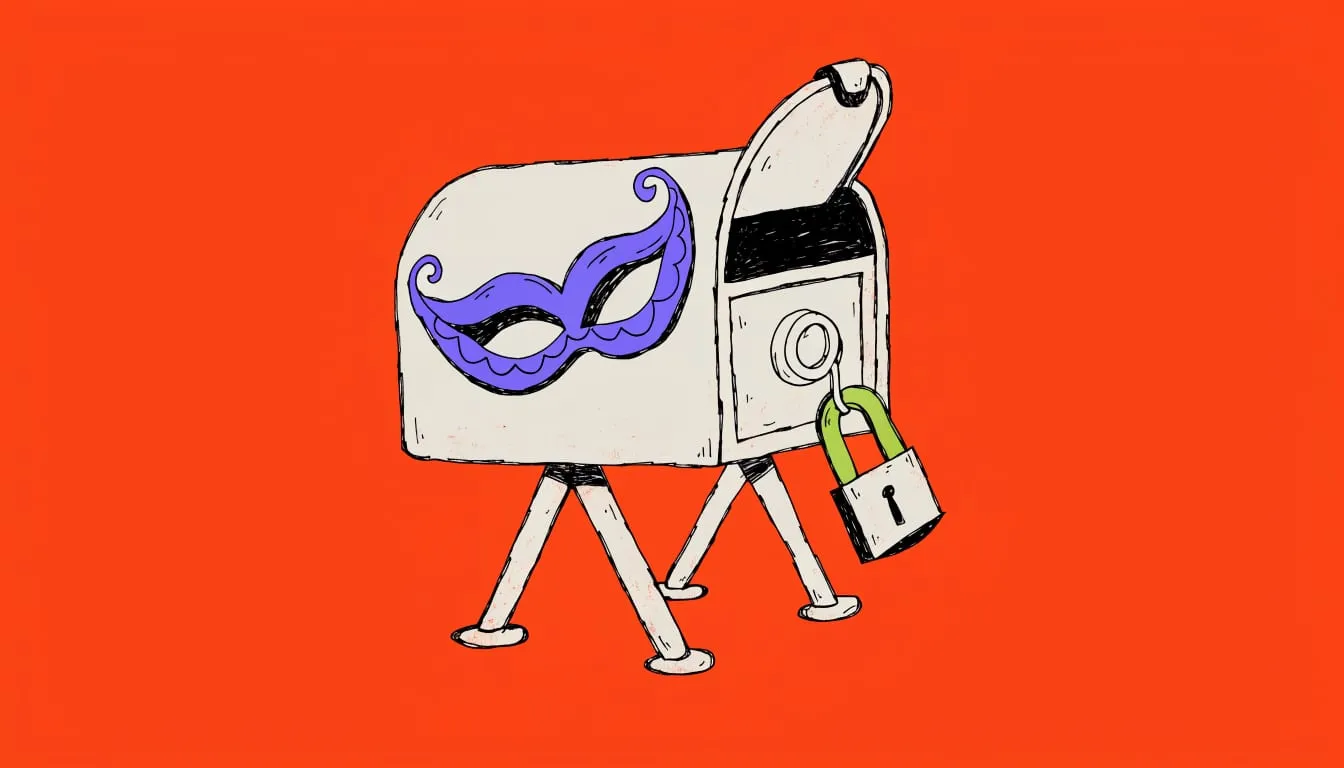
Stalwart, the open source mail server, has moved masked email out of its paid Enterprise edition and into its Community edition under the AGPL-3.0 license. Project maintainer Mauro D. announced the change in a Nov. 13 blog post. The feature needs “no license key, no sponsorship, no mailbox count,” the post said. It is open source starting with Stalwart v1.1.1.
One address per site that can be switched off alone
A masked address is a disposable address that delivers to a mailbox without revealing the real one, the post said. Each website gets its own address. When one starts receiving spam, the masked address is still in the To header, which shows the site that leaked it, and that address can be turned off while the others keep working.
The addresses are created by hand in Stalwart’s Account Manager, or by a password manager over JMAP when a new login is saved. Each address can carry a description and the site it was issued to. A custom prefix, a custom domain and an expiry time are optional.
Masked addresses receive mail only, so replies go out under the real address. Stalwart’s documentation gives the address format as <prefix>.<code>@<domain>. The default prefix is 16 random lowercase letters and digits, and the expiry time is encoded in the address and cannot be changed after it is created.
Stalwart says features only move toward open source
Stalwart promised that features will travel in one direction only. “Nothing goes from open to closed. Some things go from closed to open,” the post said. It repeated an earlier pledge that no existing open source feature will move to the Enterprise edition.
Masked email is the second feature to make the move, according to the post. The first was OpenID Connect, which went from Enterprise to the AGPL in January 2025.
The post described Enterprise as the place for features that large organizations and hosting providers need at scale: multi-tenancy, SCIM provisioning, read replicas and sharded storage, live telemetry and archiving. Masked email “never sat comfortably on that side of the line,” it said, because it is for the person reading the mail. Stalwart said it cannot promise how often features will move, and that the ones that pay for development will stay in Enterprise for as long as they are needed for that.
Premium Support now comes with every Enterprise license
Every Enterprise license now includes Premium Support, whatever the number of mailboxes. Until now it came only with subscriptions of 150 mailboxes or more, the post said. It includes a private priority area on the support portal, support by email and tickets queued ahead of community requests.
The change extends to the Enterprise license given to every GitHub and OpenCollective sponsor. A $5 a month sponsor gets the same priority access as a customer with thousands of mailboxes, the post said.
Premium Support has no guaranteed response time. For that, Stalwart now sells four SLA plans. They range from SLA 48, with a first response within two business days, to SLA 2, with a response within one hour around the clock for a Severity 1 incident.
Key takeaways
- Masked email is in Stalwart’s Community edition under the AGPL-3.0, starting with v1.1.1.
- Existing Enterprise users keep their masked addresses unchanged.
- Stalwart pledged that features move only from Enterprise to open source.
- Every Enterprise license, including a $5 a month sponsor’s, now includes Premium Support.
The take
We think the pledge matters more than the feature. A team that picks a self-hosted server is betting on where the line between free and paid will sit years from now. Stalwart has now stated a rule in public, and a rule can be checked. If a free feature ever appears behind a license key, everyone will know the promise broke.
The split it describes also makes sense to us. Features for running a large fleet are sold. Features that protect the person reading the mail are free. Buyers can use that test to guess which side a future feature will fall on.
Operators on the Community edition should upgrade to v1.1.1, find the Masked Addresses screen in the Account Manager and try it on one account. Then check whether the password manager the team uses can create addresses over JMAP.